Cold drawing: enhancing precision in tube production
In the dynamic sphere of steel manufacturing, precision bright tubes emerge as a sophisticated engineering triumph. They are not just mere steel tubes but are distinguished by their seamless construction, high precision, and exceptional surface finish. This excellence is achieved through detailed cold rolling or cold drawing processes, situating them within the prestigious cold-rolled steel category. This article delves into the complexities of precision bright tubes, examining their manufacturing processes and varied applications across a multitude of industries.
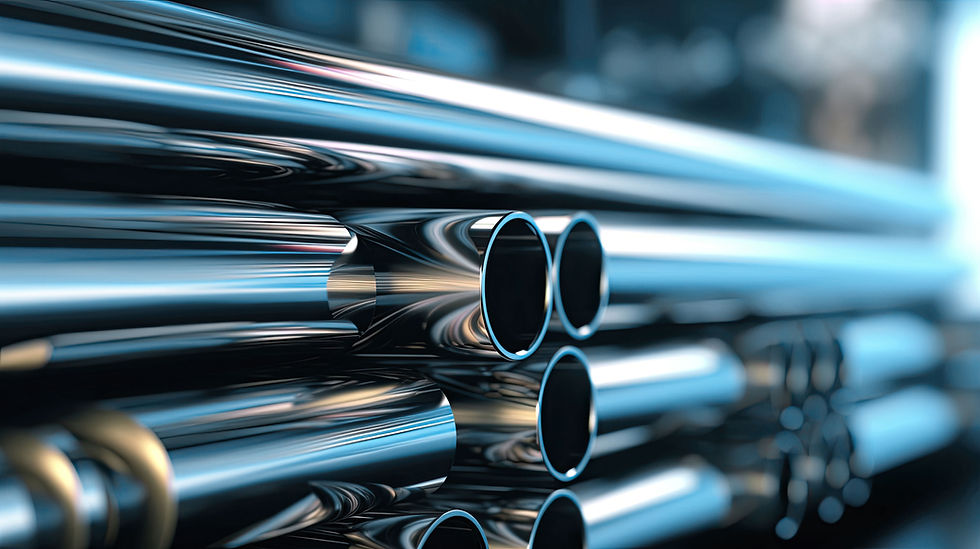
Precision bright tubes are a specialised form of seamless steel tube subjected to rigorous processing to ensure unmatched precision and superior surface finish. The processes involved, cold rolling and cold drawing, significantly enhance the tube's dimensional accuracy and surface quality. Let's explore these processes in depth.
The Cold Rolling Process
Cold rolling is a transformative metalworking process where steel is manoeuvred through rollers at temperatures below its recrystallisation threshold. This meticulous approach not only refines the dimensions of the tube but also enhances its mechanical attributes, culminating in a product of superior strength and resilience. The result is a tube boasting exceptional surface quality and dimensional precision, rendering it ideal for high-precision applications.
The process initiates by passing the steel through a series of rollers, each progressively reducing the material's thickness. This reduction occurs while the steel is in a cold state, facilitating improved control over its dimensions. As the steel undergoes cold rolling, its grains elongate, contributing to the enhanced strength and rigidity of the final product. Additionally, the surface finish is polished to a fine degree, ensuring a smooth and appealing exterior.
The Cold Drawing Process
Cold drawing involves a distinct approach where steel is drawn through a die to diminish its diameter while extending its length. Conducted at ambient temperatures, this technique produces a seamless tube characterized by high precision and a smooth surface finish. Cold drawing is particularly advantageous for creating tubes with intricate shapes and smaller diameters.
The process begins by selecting a steel billet, which is then drawn through a die using substantial force. This action reduces the cross-sectional area of the steel while elongating it, all without applying external heat. The absence of heat ensures that the material's inherent properties remain intact, resulting in a tube with exceptional accuracy and integrity. The smooth surface finish achieved through cold drawing is a hallmark of precision, catering to industries demanding exacting standards.
Balancing Techniques for Optimal Results
Both cold rolling and cold drawing offer unique advantages, and often, manufacturers employ a combination of these techniques to produce tubes with optimal properties. This hybrid approach allows for customisation of the tube's characteristics, including its thickness, strength, and finish. By selecting the appropriate method or combination thereof, manufacturers can tailor the tubes to meet specific application requirements, ensuring the highest level of performance and quality.
Applications of High Lumen Tubes
The applications of high lumen tubes are diverse and extensive. From the automotive industry to construction and manufacturing, these tubes are indispensable. Their ability to provide consistent and reliable illumination makes them ideal for high-demand environments where dependability is paramount.
In automotive settings, high lumen tubes offer enhanced visibility, improving safety and efficiency in assembly lines. In construction, they illuminate large spaces, enabling precise work even under challenging conditions. Manufacturing facilities benefit from their consistent light output, which is critical for quality control and operational efficiency. Their adaptability and effectiveness make high lumen tubes a cornerstone in modern industrial applications.
Advantages of Cold Drawing in Precision Tube Production
Cold drawing offers numerous advantages that make it the preferred method for producing precision bright tubes. Let's explore some of these benefits in detail:
Enhanced Precision and Tolerance
Cold drawing allows for meticulous control over the tube's dimensions, ensuring the final product adheres to exact specifications. This precision is crucial for applications where even slight deviations can lead to significant issues.
By applying consistent force during the drawing process, manufacturers can achieve a high degree of accuracy in the tube's dimensions. This precision is vital in industries such as aerospace and medical devices, where components must meet stringent standards to function correctly. The ability to maintain tight tolerances ensures that precision bright tubes deliver reliable performance in critical applications.
Superior Surface Finish
The cold drawing process results in a smooth and uniform surface finish, enhancing both the aesthetic appeal and functional performance of the tube. This is particularly important in sectors where appearance and performance are equally valued.
A superior surface finish reduces friction and wear, extending the lifespan of the tubes in mechanical applications. Additionally, the polished surface is less prone to corrosion, contributing to the durability of the product. In industries where surface quality is paramount, such as in hydraulic systems or decorative elements, the benefits of cold drawing are clearly evident.
Improved Mechanical Properties
The process also augments the mechanical properties of the steel, resulting in tubes that are stronger and more durable. This makes them suitable for high-stress applications where reliability is a key concern.
During cold drawing, the steel undergoes work hardening, which increases its tensile strength and toughness. This enhancement allows the tubes to withstand greater pressures and impacts, making them ideal for demanding environments such as oil and gas exploration or heavy machinery. The improved mechanical properties ensure that precision bright tubes maintain structural integrity under challenging conditions.
Cost-Effectiveness and Efficiency
Cold drawing is not only beneficial in terms of quality but also offers cost-effectiveness and efficiency in production. The process minimises material wastage and allows for faster production cycles, leading to reduced manufacturing costs.
The precision offered by cold drawing reduces the need for additional machining or finishing, saving time and resources. Additionally, the consistency of the process ensures high yield rates, maximising productivity. For manufacturers seeking efficient and economical solutions, cold drawing presents a compelling option.
Industry Applications of Precision Bright Tubes
Precision bright tubes find applications across a broad spectrum of industries due to their versatility and superior qualities. Here are a few sectors where these tubes play a critical role:
Automotive Industry
In the automotive industry, precision bright tubes are integral to the manufacturing of shock absorbers, steering columns, and other critical components. Their high precision and strength make them ideal for applications where safety and reliability are paramount. The seamless construction of these tubes ensures uniform stress distribution, enhancing the performance of automotive components. In a sector where precision and durability are non-negotiable, precision bright tubes provide the reliability needed to meet rigorous safety standards. Automotive manufacturers rely on these tubes to deliver vehicles that are both safe and efficient.
Construction and Engineering
In construction and engineering, precision bright tubes are utilised in the fabrication of scaffolding, structural supports, and piping systems. Their seamless construction and superior surface finish ensure long-lasting performance even in the most demanding environments. The tubes' resistance to environmental factors such as corrosion and extreme temperatures makes them ideal for outdoor and industrial applications. In engineering projects, precision bright tubes offer the structural integrity necessary to support large loads and withstand dynamic forces. Their versatility and durability make them indispensable in modern construction and engineering endeavours.
Manufacturing and Machinery
Precision bright tubes are also essential in the manufacturing of machinery and equipment, where precision and durability are critical. Their ability to withstand high pressure and stress makes them perfect for use in hydraulic systems and other high-performance machinery. In manufacturing settings, these tubes facilitate the efficient operation of complex machinery by ensuring precise alignment and smooth movement of components. Their robust construction reduces the risk of mechanical failure, enhancing the overall reliability of the equipment. For industries that demand precision and longevity, precision bright tubes provide a reliable solution.
Emerging Sectors and Innovations
As industries evolve, new applications for precision bright tubes continue to emerge. In sectors such as renewable energy and biotechnology, these tubes are being explored for their potential to enhance efficiency and innovation.
In renewable energy systems, precision bright tubes could play a role in optimizing the performance of solar panels or wind turbines. In biotechnology, their precision and surface quality may be harnessed for advanced medical devices or laboratory equipment. The ongoing exploration of new uses underscores the versatility and future potential of precision bright tubes in emerging industries.
The Future of Precision Bright Tubes
As technology advances, the demand for precision bright tubes is poised to rise. Innovations in tube light technology and the continuous improvement of cold drawing processes will further enhance the capabilities and applications of these remarkable tubes.
Sustainability and Efficiency
In the future, the focus will likely shift towards making precision bright tubes more sustainable and energy-efficient. This could involve developing new materials or refining existing processes to minimise environmental impact while maximising performance. Manufacturers may explore the use of recycled materials or advanced alloys that reduce the carbon footprint of production. Additionally, process improvements could lead to reduced energy consumption and lower emissions, aligning with global sustainability goals. As industries prioritize eco-friendly solutions, precision bright tubes will play a key role in achieving these objectives.
Conclusion
Precision bright tubes represent the pinnacle of steel tube manufacturing, offering unmatched precision, strength, and surface quality. Through advanced processes like cold rolling and cold drawing, these tubes have become indispensable across various industries. As technology continues to evolve, the future of precision bright tubes looks brighter than ever, promising even greater innovations and applications in the years to come. By understanding and leveraging the capabilities of precision bright tubes, businesses can achieve superior performance, efficiency, and sustainability in their operations. Whether you're in automotive, construction, or any other industry, these tubes offer a reliable solution for your high-precision needs.
The seamless integration of advanced manufacturing techniques and innovative applications ensures that precision bright tubes remain at the forefront of industry advancements. As the demand for high-quality, sustainable solutions grows, these tubes will continue to play a vital role in shaping the future of manufacturing and industrial technology.


Comments