High Pressure Tube Benefits & Applications
Advantages of High Pressure Tubes in Industry
High pressure tubes are designed to cope with demanding environments and tasks. They are critical in maintaining the integrity of systems under extreme conditions, which is why choosing the right type of tubing is crucial. These tubes contribute significantly to minimising risks associated with high-pressure operations, ensuring that industries can maintain productivity and safety standards. Moreover, advancements in technology continue to improve the capabilities of high pressure tubes, expanding their applicability across various sectors.
High pressure tubes are specially designed tubes that can withstand high internal pressures. They are commonly used in applications where normal tubes would fail due to pressure. These tubes are essential in various industries, including chemical processing, oil and gas, and aerospace, among others. Each industry relies on the specific properties of these tubes to maintain operational efficiency and safety.
Types of High Pressure Tubes
There are several types of high pressure tubes, each suited for specific applications. Understanding the differences among these can help industries select the most appropriate option for their needs:
High Pressure Plastic Tubing: Made from durable plastics that can withstand significant pressure, these are often used in applications requiring flexibility and resistance to corrosion. They are lightweight and easy to install, making them a popular choice for portable systems or environments where weight is a concern.
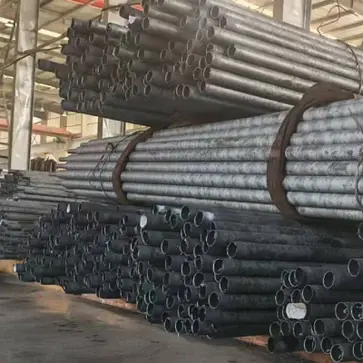
High Pressure Steel Pipe: Known for its strength and durability, steel pipes are suitable for heavy-duty applications. They are often used in industries where mechanical stress is a significant factor. The robustness of steel allows these pipes to handle not only high pressures but also physical impacts and vibrations.
High Pressure Stainless Steel Tubing: Offers excellent corrosion resistance and is ideal for environments where hygiene is crucial, such as in food processing or pharmaceuticals. The smooth surface of stainless steel also helps in maintaining the cleanliness of the transported substances, ensuring that purity is preserved.
Benefits of High Pressure Tubing
High pressure tubes offer numerous benefits that make them a go-to choice in many industries. Their unique properties ensure they meet the rigorous demands of industrial applications.
Durability and Strength
One of the primary benefits of high pressure tubing is its exceptional durability. These tubes are designed to withstand high pressures without breaking or deforming. This makes them reliable for transporting fluids and gases under pressure, ensuring safety and efficiency in industrial operations. The durability of these tubes also translates into longer service life, reducing the frequency of replacements and maintenance.
The strength of high pressure tubing ensures that it can handle not only high pressures but also the mechanical stresses that come with industrial environments. This robustness is especially critical in environments where equipment is subjected to constant wear and tear, ensuring minimal downtime and consistent performance.
Corrosion Resistance
Especially relevant for high pressure stainless steel tubing, corrosion resistance is a significant advantage. Stainless steel and certain plastics can resist corrosion from chemicals and environmental conditions, making them ideal for industries like chemical processing and marine applications. This resistance to corrosion helps in prolonging the life of the tubes, offering a cost-effective solution over time.
Corrosion resistance is not only about longevity but also about safety. In industries where hazardous materials are transported, preventing leaks and maintaining the integrity of the transport system is paramount. High pressure tubes that resist corrosion reduce the risk of dangerous leaks and contamination, protecting both the environment and human health.
Versatility
High pressure tubes are versatile and can be used in various environments and applications. Whether it's high pressure plastic tubing for water systems or high pressure steel pipes for oil and gas, there is a type of pressure tubing for almost every need. This versatility allows industries to standardise their systems with a single type of tubing, simplifying maintenance and inventory management.
The adaptability of high pressure tubing means it can be customised to suit specific requirements, such as diameter, wall thickness, and length. This customisation ensures that the tubing can meet the exact demands of different applications, providing optimal performance and efficiency.
Temperature Resistance
Many high pressure tubes can also withstand extreme temperatures, both hot and cold. This makes them suitable for use in harsh environments, such as those found in the aerospace and automotive industries. Tubes that can resist temperature fluctuations ensure that systems remain operational under varying conditions, which is crucial for industries that operate in extreme climates.
The ability to withstand temperature extremes also enhances the safety and reliability of the systems in which these tubes are used. Whether handling cryogenic fluids or high-temperature gases, high pressure tubes maintain their integrity, preventing failures that could lead to costly downtime or dangerous situations.
Applications of High Pressure Tubing
High pressure tubing is used across a wide range of industries due to its robustness and reliability. Its ability to perform under extreme conditions makes it an essential component in many sectors.
Oil and Gas Industry
In the oil and gas industry, high pressure steel pipes are commonly used for transporting oil and gas from extraction sites to processing facilities. The ability to withstand high pressures and harsh environmental conditions makes them indispensable in this field. These pipes ensure the safe and efficient transport of hydrocarbons over long distances, minimising the risk of leaks and environmental damage.
The oil and gas industry also relies on high pressure tubing for drilling operations, where the strength and durability of the tubes are critical to maintaining well integrity. As exploration moves into deeper and more challenging environments, the demand for reliable high pressure tubing continues to grow.
Chemical Processing
In chemical processing, high pressure stainless steel tubing is often used because of its resistance to corrosion and ability to handle high pressures. These tubes ensure that chemicals can be transported safely and efficiently, minimising the risk of leaks or contamination. The smooth inner surfaces of stainless steel tubes help in maintaining the purity of chemicals, which is crucial for producing high-quality products.
Chemical plants also benefit from the heat resistance of high pressure tubes, which allows them to handle both high-temperature reactions and cooling processes. This versatility makes stainless steel tubing a favoured choice in the chemical industry.
Food and Beverage Industry
The food and beverage industry relies on high pressure stainless tubing for transporting liquids and gases. The tubes' ability to maintain hygiene standards while handling high pressures makes them ideal for this industry, ensuring the safety and quality of food products. Stainless steel's non-reactive nature ensures that there is no risk of contamination, preserving the taste and safety of food items.
In addition to safety, the durability and corrosion resistance of stainless steel tubing reduce maintenance costs and downtime in food processing facilities. This reliability is crucial for maintaining production schedules and meeting consumer demands.
Aerospace Industry
High pressure tubing is critical in the aerospace industry for hydraulic systems and fuel lines. The tubes' ability to withstand high pressures and extreme temperatures is essential for the safe and efficient operation of aircraft. In aerospace applications, the weight-to-strength ratio of the tubes is a critical factor, and high pressure tubing meets these requirements effectively.
The aerospace industry's stringent safety standards mean that every component, including high pressure tubing, must perform flawlessly. The reliability and performance of these tubes contribute to the overall safety and efficiency of aircraft operations, from commercial jets to space exploration vehicles.Choosing the Right High Pressure Tubing
Selecting the right high pressure tubing for a specific application involves considering several factors. Making an informed choice ensures that the tubing will meet the operational demands and provide long-term reliability.
Material
The material of the tubing is crucial, as it determines the tube's ability to withstand pressure, temperature, and corrosion. For example, high pressure plastic tubing might be suitable for applications requiring flexibility, while high pressure stainless steel tubing is ideal for environments where corrosion resistance is critical. Each material comes with its own set of properties and costs, influencing the overall performance of the system.
Choosing the right material also involves considering the regulatory requirements of the industry. For instance, food-grade stainless steel may be necessary for applications in the food and beverage industry to comply with health and safety standards.
Pressure Rating
Each type of high pressure tube has a specific pressure rating, which indicates the maximum pressure it can handle. It is essential to choose tubing with a pressure rating that matches or exceeds the requirements of your application to ensure safety and performance. The pressure rating is a critical parameter that should be evaluated in conjunction with temperature and environmental conditions.
Selecting tubing with an appropriate pressure rating not only ensures safety but also optimises performance. Over-specifying can lead to unnecessary costs, while under-specifying can result in failures and safety risks.
Size and Length
The size and length of the tubing should be chosen based on the specific needs of your application. Ensure that the tubing can handle the required flow rate and reach the necessary distances without significant pressure loss. The diameter and wall thickness must be considered to achieve the desired flow characteristics and system efficiency.
Proper sizing also involves accounting for expansion and contraction due to temperature changes. Ensuring that the tubing is correctly sized prevents issues such as leaks, blockages, and unnecessary pressure drops, contributing to the overall reliability of the system.
Cost
While cost should not be the only factor when choosing high pressure tubing, it is essential to consider your budget. Compare different materials and types of tubing to find an option that offers the best balance of performance and cost-effectiveness for your application. Long-term costs, including maintenance and replacement, should also be factored into the decision-making process.
Investing in high-quality tubing may have a higher upfront cost but can result in savings over time through reduced maintenance and longer service life. It's vital to consider the total cost of ownership rather than just the initial purchase price.
Conclusion
High pressure tubes are an integral part of many industrial applications. Their ability to withstand high pressures, resist corrosion, and perform in extreme conditions makes them invaluable in industries ranging from oil and gas to food processing. By understanding the advantages and applications of high pressure tubing, industries can make informed decisions to enhance their operations' efficiency and safety.
Whether you need high pressure plastic tubing for flexibility or high pressure stainless steel tubing for corrosion resistance, there is a pressure tube that meets your needs. Choose wisely and ensure that your operations continue to run smoothly and safely. In a world where industrial demands are ever-evolving, staying informed about the latest advancements in high pressure tubing can provide a competitive edge and contribute to sustainable and efficient industrial practices.


Comments