Detailed explanation of the use and production methods of seamless steel pipes
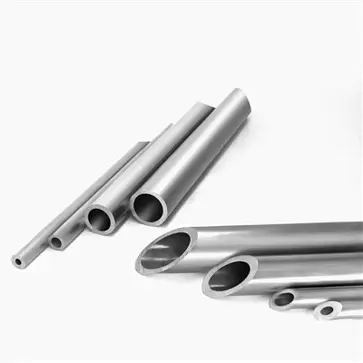
Seamless steel pipe, as the name suggests, is a type of steel pipe with no welded joints on its surface. It is made by piercing a whole round steel. According to different production methods, seamless steel pipes can be divided into hot-rolled seamless steel pipes, cold-rolled seamless steel pipes, cold drawn seamless steel pipes, extruded seamless steel pipes, and top pipes. According to their applications, seamless steel pipes can be divided into thick walled seamless steel pipes and thin-walled seamless steel pipes.
Seamless steel pipes have a wide range of applications in multiple fields. For example, they are often used as drilling pipes for petroleum geology, cracking pipes for petrochemicals, boiler pipes, bearing pipes, as well as high-precision structural steel pipes for automobiles, tractors, and aircraft.
In terms of production method, hot-rolled seamless steel pipes are rolled by high-temperature heating and are suitable for the production of large-diameter steel pipes. Cold rolled seamless steel pipes are rolled at room temperature and are suitable for small diameter and high-precision steel pipes. Cold drawn seamless steel pipes are produced through drawing processes and are suitable for high-precision and high surface quality steel pipes. Squeezed seamless steel pipes are produced through extrusion technology and are suitable for steel pipes with special shapes and complex cross-sections. Top pipe is a special production method suitable for laying long-distance pipelines.
Overall, seamless steel pipes have a wide range of applications in various fields due to their characteristics of no welds, high precision, and high surface quality.


Comments